Managed by the terminal’s former Marine Operations Manager — 13 years at the SBM.
Marsa El Hamra Egypt is an offshore single-buoy mooring terminal at El Alamein. Marine Trust provides tanker port agency in Egypt at this facility — with Captain Adel Hassan’s 13 years as Marine Operations Manager and Head of Pilots behind every call. For Suez Canal transit coordination, see our dedicated guide.
Eight specialised maritime services — select a desk to continue
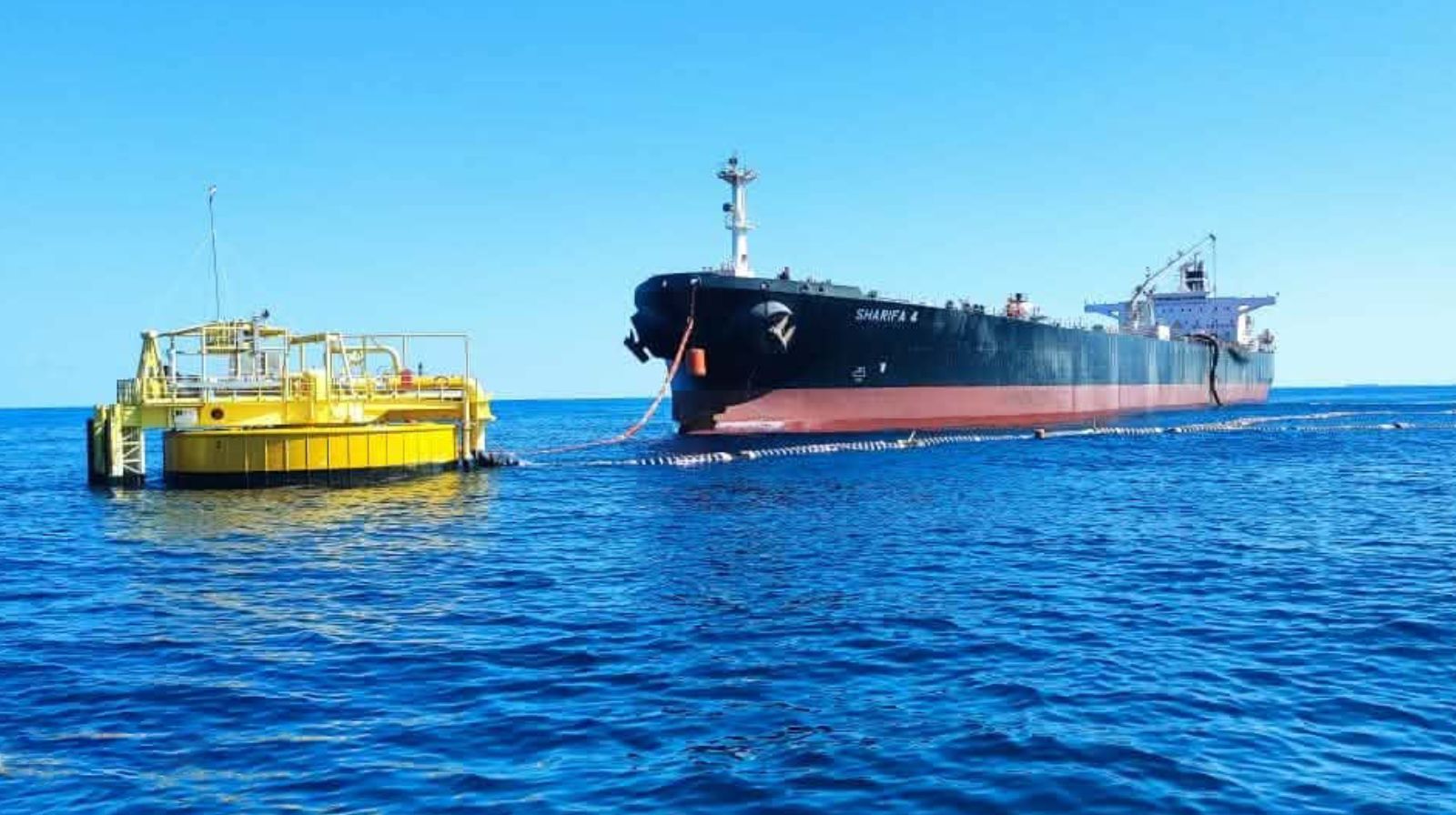
Marsa El Hamra — “The Red Harbour” — sits on the Mediterranean coast approximately 120 kilometres west of Alexandria. It operates under EGPC and is managed at facility level by WEPCO. There is no conventional quayside: all tanker operations take place at the offshore SBM in open water. Mooring requires suitable weather and daylight. For operators approaching the terminal for the first time, knowing the procedures and having an agent with relationships across WEPCO, EGPC, and the Egyptian Maritime Authority makes the difference.
Marine Operations Manager and Head of Pilots, 2007–2020.
Live SBM arrivals managed at Marsa El Hamra.
Offshore single-buoy operations under EGPC / WEPCO.
Direct access throughout every vessel call.
Planning a crude tanker call at Marsa El Hamra? Our operations team is available 24/7.
| Parameter | Detail |
|---|---|
| Terminal Type | Single Buoy Mooring (SBM) — offshore, open water |
| Location | El Alamein, Mediterranean coast — approx. 120 km west of Alexandria |
| Operating Authority | EGPC (Egyptian General Petroleum Corporation) / WEPCO |
| Cargo | Crude oil — loading and discharging |
| Vessel Range | Aframax (80,000–120,000 DWT) — Suezmax (up to 150,000 DWT) |
| Mooring Hours | Daylight only — safety requirement for offshore SBM operations |
| Unmooring Hours | Anytime — day or night |
| Weather Requirement | Good sea state and wind conditions required for safe SBM mooring |
| Cargo Duration | 18–28 hours depending on quantity and flow rate |
| Storage Operations | Now active — approved by Ministry of Petroleum |
The daylight-only mooring rule is a safety requirement for this offshore SBM in open Mediterranean waters. Connecting a loaded crude tanker to a single-point mooring requires visibility and reliable sea-state assessment. Miss the daylight window and the vessel waits at anchorage overnight — a full charter day lost. Marine Trust plans arrival timing from nomination against the actual daylight window on the expected date.
Need the PDA for your Marsa El Hamra call? We respond within 24 hours.
The Egyptian Minister of Petroleum has approved crude oil storage operations at Marsa El Hamra. Storage at an offshore SBM creates different coordination requirements: extended time on or near the buoy, continuous weather watch, and day-by-day EGPC/WEPCO interface. For LNG and LPG terminals under the same EGPC framework, see our gas terminal port agency coverage.
Coordinating a storage operation at Marsa El Hamra? Contact our team today.
Every tanker call is managed from nomination through final departure clearance. For broader coverage across Egypt, see our port agency services overview.
| Service | What We Handle |
|---|---|
| Pre-Arrival Planning | Nomination received, EGPC/WEPCO notification initiated, mooring window assessed against daylight and weather forecast |
| Authority Coordination | EGPC, WEPCO, Egyptian Maritime Authority, Port Authority — all notified and confirmed before vessel arrival |
| Pilot Coordination | Pilot boarding position, approach route, SBM mooring procedure — coordinated with the terminal's marine team |
| Mooring Boat Scheduling | Mooring boats arranged for daylight window — timed to the vessel's ETA and the forecast sea state |
| Cargo Operation Liaison | Terminal slot confirmed, shore readiness verified, operational updates provided throughout loading or discharge |
| Weather Monitoring | Continuous sea state and wind assessment throughout the vessel's stay — critical for extended storage operations |
| Documentation | All inward and outward clearance documentation filed on time — no gaps, no last-minute submissions |
| PDA & Financial Accounts | Proforma disbursement account before arrival, final account with full supporting documentation on completion |
| Owner/Charterer Reporting | Regular operational updates from arrival to departure — direct to operations or chartering contacts |
| Vessel Husbandry | Technical vessel support through our vessel husbandry services where available at the terminal |
Nominate Marine Trust for your Marsa El Hamra call — available 24/7.
The SBM infrastructure and offshore location set the practical limits on which vessel classes can safely operate at the terminal.
| Vessel Type | Operational Notes |
|---|---|
| Aframax (80,000–120,000 DWT) | Primary vessel class at Marsa El Hamra — well within the SBM's operational envelope. Most routine crude loading and discharging calls fall in this range. |
| Suezmax (up to 150,000 DWT) | Handled regularly. Draft and weather conditions govern each call — assessed in advance against the terminal's parameters. |
| Crude Oil Tankers | All grades of crude oil carried by tankers within the above size ranges. Specific crude-grade handling procedures coordinated with WEPCO. |
| Storage Vessels | Vessels remaining at the offshore terminal for extended periods under the newly approved storage operations framework. |
Between 2007 and 2020, as Marine Operations Manager and Head of Pilots, Captain Hassan decided whether a vessel moored or waited. He assigned the pilots, evaluated every weather window, and built the coordination protocols between the pilot team, WEPCO, and EGPC. That judgement — from 1,000+ tanker calls at one location — does not expire.
Responsible for live crude oil tanker operations at Marsa El Hamra from 2007 to 2020 — every mooring decision, weather call, and WEPCO coordination.
Personally piloted over 1,000 crude tanker arrivals at the SBM and built the pilotage procedures still in use.
Terminal understood from both the vessel deck and the person responsible for safe offshore operations.
Direct working relationships with WEPCO terminal management and EGPC operational contacts built over 13 years.
Active collaboration within EGPC-regulated petroleum operations running over six years.
Documented procedures, auditable records, and consistent performance on every vessel call.
The Mediterranean off El Alamein has a clear seasonal pattern that directly affects available mooring windows at the SBM. These assessments are based on 13 years of daily observation at the terminal.
| Season | Conditions & Planning Notes |
|---|---|
| Summer May – September | Light northerly winds, generally calm sea state. Extended daylight mooring windows. Most straightforward period for tanker calls. Storage operations particularly well-suited to summer months. |
| Winter November – March | Stronger northwest winds — the NW fetch across the Mediterranean is long and swell builds quickly. Weather windows need careful assessment before committing to pilot boarding. |
| Shoulder Seasons April, October | Transitional conditions — variable winds, mixed sea states. Requires daily monitoring from nomination. We assess each call individually against the 7-day forecast. |
Ready to appoint? Contact Marine Trust — available 24/7 throughout the operation for nominations, PDAs, storage coordination, and SBM support.

ISO 9001 certified port agency and maritime services provider based in Alexandria, Egypt — specialising in offshore petroleum terminal operations, tanker agency, and Suez Canal transit.
✦ ISO 9001 Certified
© Copyright 2026, Marine Trust. All Rights Reserved.